This article may contain affiliate links. If you buy through them, A Home Filled With Love may earn a small commission at no extra cost to you. Learn more.
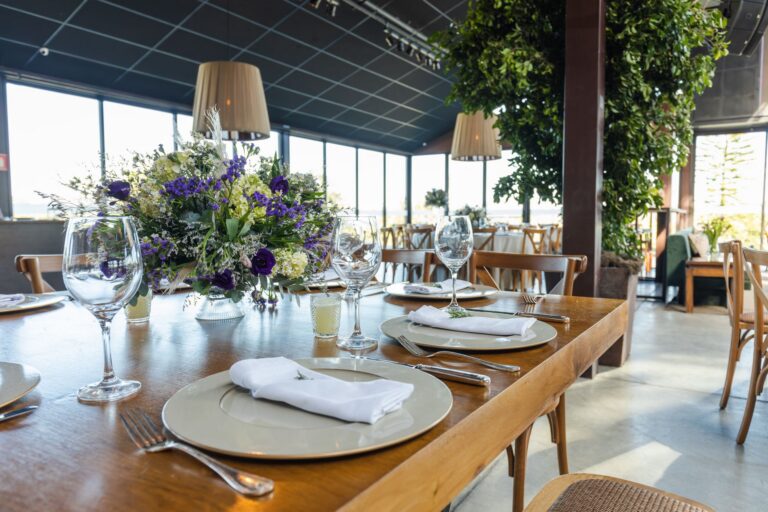
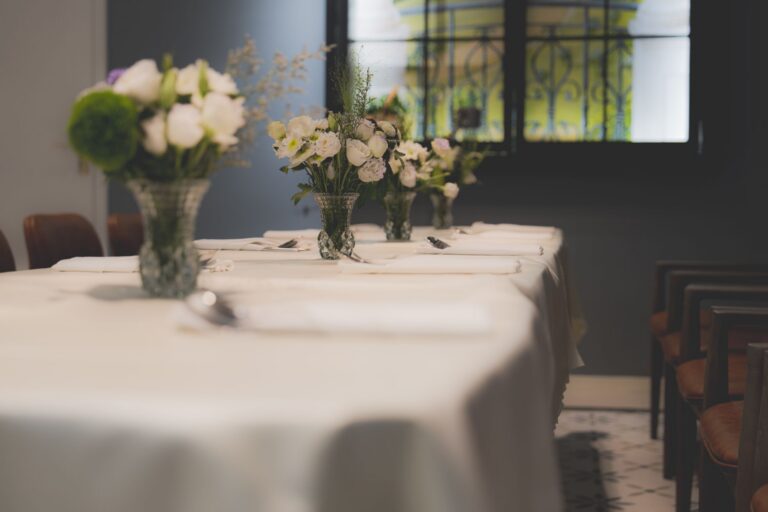
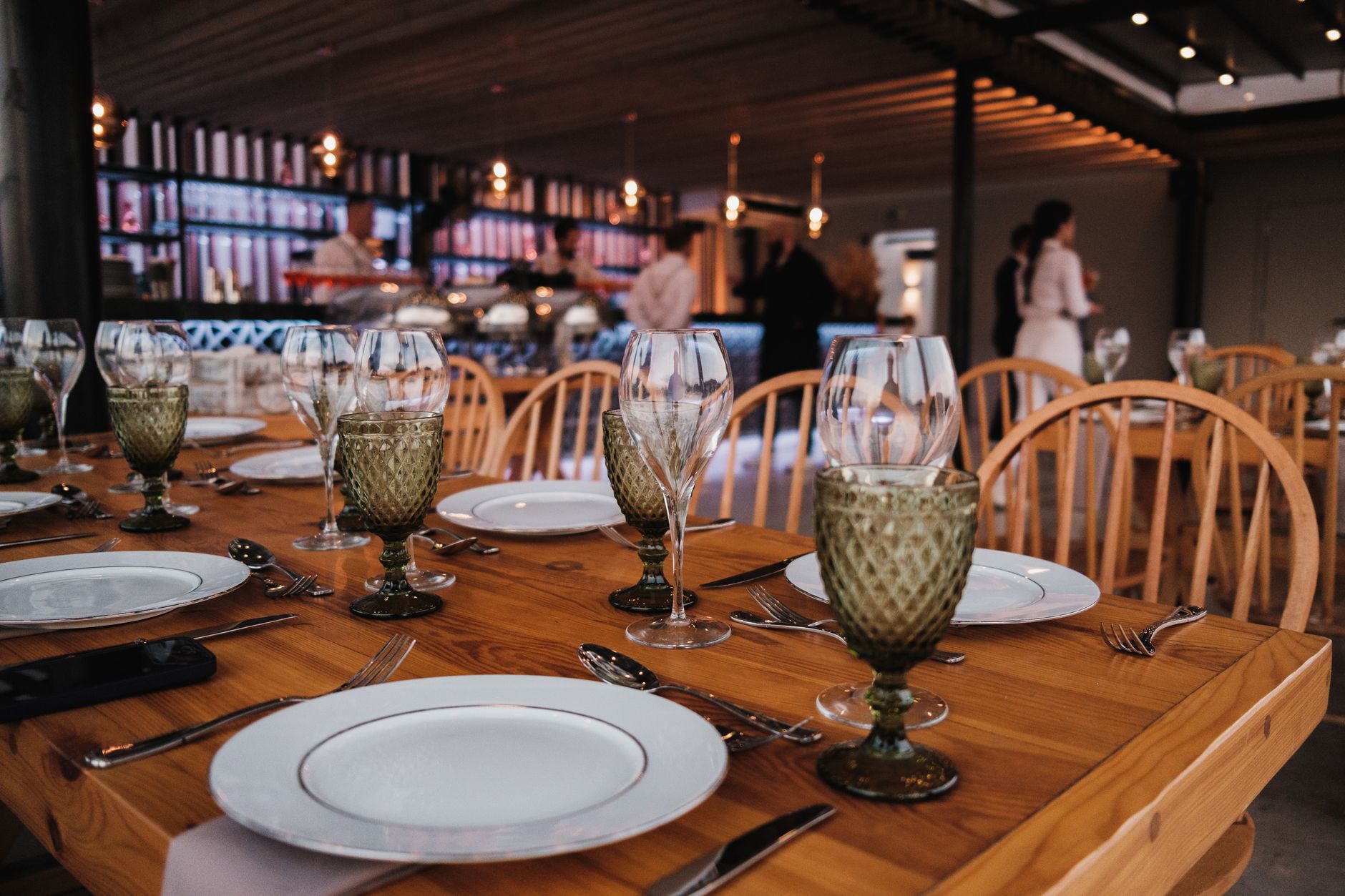
Sunday dinner at our table has never been a formal thing, no particular china, no announcement that this meal counts for more than the others. It’s the same table, the same mismatched plates, the same chairs pulled out in whatever order people happen to arrive. What changes is mostly the pace. Nobody is racing back to homework or an evening shift. The meal takes longer to cook, and it takes longer to eat, and that’s really the whole difference.
I started noticing this shift in pace years ago, back when my kids were still young enough that weeknights were a genuine scramble. Sunday would arrive and something in the whole house would loosen slightly, even before anyone sat down to eat. I think it had less to do with the day itself and more to do with the fact that nobody had anywhere urgent to be afterward.
The food takes longer, on purpose
On a Tuesday, I’m cooking something that can go from stovetop to table in half an hour, because that’s what the evening allows. On a Sunday, I let myself make something that takes two or three hours if it wants to, a braised dish or a roast that needs time in the oven doing nothing but slowly becoming what it’s supposed to be. I’m not in the kitchen actively working that whole time. I’m doing other things, reading, folding laundry, occasionally checking on the oven, and the house fills with the smell of it hours before we actually sit down.
That smell does something to the whole evening, I think. By the time we’re actually at the table, everyone has been anticipating the meal for a while rather than just arriving hungry and eating whatever appears fastest. It changes how people show up to the table, a little more patient, a little more ready to actually sit and stay a while.
A slower meal isn’t a fancier meal. It’s just a meal that had room to take its time, and a table that had room to wait for it.
Nobody clears their plate and leaves
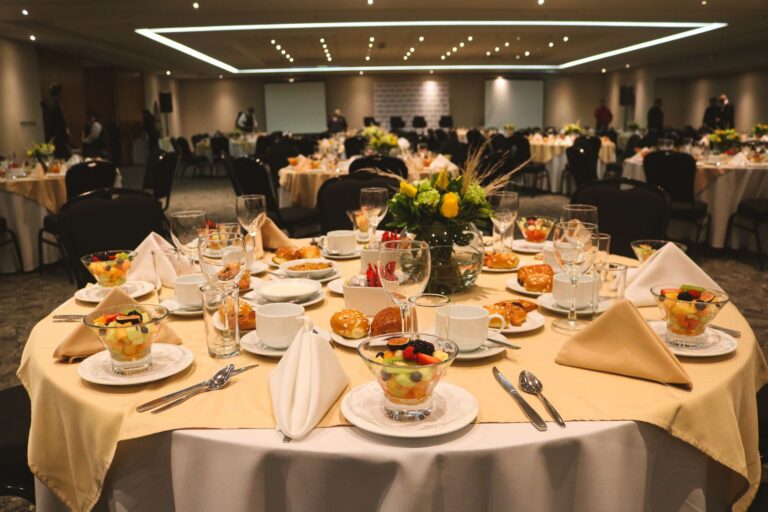
The biggest practical difference on a Sunday isn’t the food at all, honestly. It’s what happens after the plates are empty. On a weeknight, someone finishes eating and is up from the table within a minute or two, off to whatever’s next. On a Sunday, plates sit empty on the table for another twenty or thirty minutes while people keep talking, refilling water glasses, occasionally getting up for seconds of something even after they’d claimed to be full.
I used to think I needed to plan something for that stretch of time, a game or an activity to keep everyone at the table once the food was gone. I don’t think that anymore. The lingering happens on its own if nobody’s rushing to leave. It doesn’t need to be organized. It just needs the absence of a reason to get up.
What it isn’t
I want to be clear that I don’t think of Sunday dinner as some kind of sacred family tradition passed down through generations, the way some families describe it. It didn’t come from my mother’s table or her mother’s before that. It’s just the day of the week when the schedule happens to leave the most room, and the table takes advantage of that room the same way it would on any day if the room existed. If our free day had landed on a Wednesday instead, I suspect Wednesday would carry the same weight instead.
I think it’s worth saying this plainly, because I know a lot of people feel like they’ve failed at something if their family doesn’t have an elaborate Sunday ritual with specific dishes and specific songs and specific seating. Ours doesn’t have any of that. It has a slower meal, a table that doesn’t get cleared right away, and a handful of hours where nobody has anywhere else they need to be.
The ordinary version, most nights
I don’t want to make the other six nights sound lesser by comparison, because they aren’t. The weeknight table, rushed as it sometimes is, is where most of the actual raising of my kids happened, in the quick exchanges over a fast dinner before everyone scattered back to their evenings. Sunday is just the version where the table gets to stretch out a little, and I’ve come to appreciate both versions for what they actually are, rather than treating one as the real dinner and the other as a lesser substitute.
Some weeks the slower day doesn’t land on a Sunday at all, if someone has a shift or a trip that upends the usual rhythm, and I’ve learned not to be precious about which day gets to carry that weight. The table doesn’t care what the calendar says. It just responds to however much time we actually give it.