This article may contain affiliate links. If you buy through them, A Home Filled With Love may earn a small commission at no extra cost to you. Learn more.
For most of the years I was raising three kids, the fifteen minutes before dinner was the loudest, most chaotic stretch of the entire day. Homework got shoved aside, someone needed a signature on a permission slip, someone else was announcing they weren’t hungry before they’d even seen what was being served. I used to dread that window more than almost anything else in the day, more than the mornings, more than bedtime.
It took me an embarrassingly long time to realize that the fifteen minutes before the meal shapes the meal itself far more than the food does. A calm arrival at the table produces a different dinner than a frantic one, regardless of what’s actually being served.
Where the chaos was actually coming from
When I finally sat down and paid attention to what was happening in that window, I noticed it wasn’t really about the food at all. It was about transitions. Kids coming off screens, off homework, off whatever mental state they’d been in for the previous hour, and being asked to shift immediately into sitting still and talking to people. That’s a hard switch to make quickly, for a child or honestly for an adult.
I started giving a five minute warning before dinner was actually ready, not as a countdown to rush them, but as a buffer. Five minutes to finish the sentence they were writing, close the tab, put the toy down. It sounds obvious written out like this, but I hadn’t been doing it, and the difference once I started was immediate. Fewer arguments at the table itself, because the arguments had mostly been happening in that transition and just spilling over into the first few minutes of eating.
The table doesn’t start when everyone sits down. It starts a few minutes before that, in whatever mood people are carrying with them to their chairs.
My own transition, not just theirs
I had a transition problem too, one I didn’t notice until later. I would go straight from cooking, standing at the stove stirring and tasting and adjusting, right into sitting down and trying to be present with my family, and the switch was too abrupt for me as well. I started taking a minute, sometimes literally just standing at the sink washing my hands slower than necessary, to let myself shift out of cook mode before sitting down as a person at the table rather than as the person managing the meal.
This might sound like a small thing to mention, but I think a lot of the tension I used to bring to the table came from arriving at it still half in charge of the stove, still tracking whether the rice was going to burn, rather than actually arriving at the table as a participant in the dinner.
What actually helped, practically
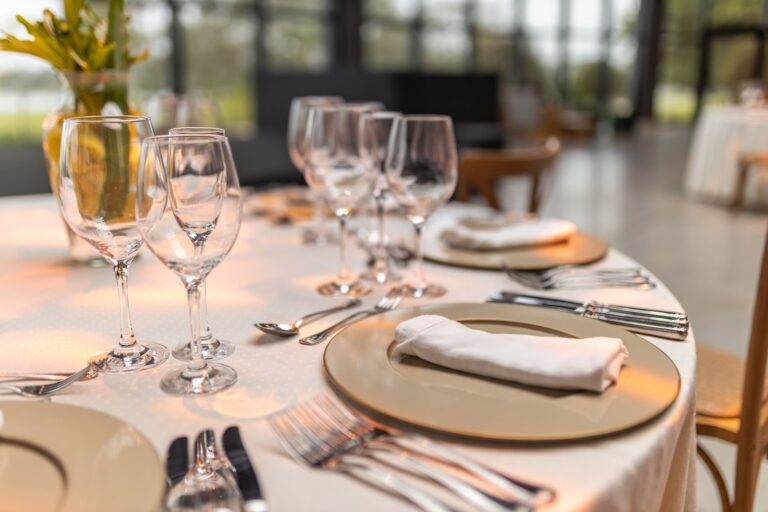
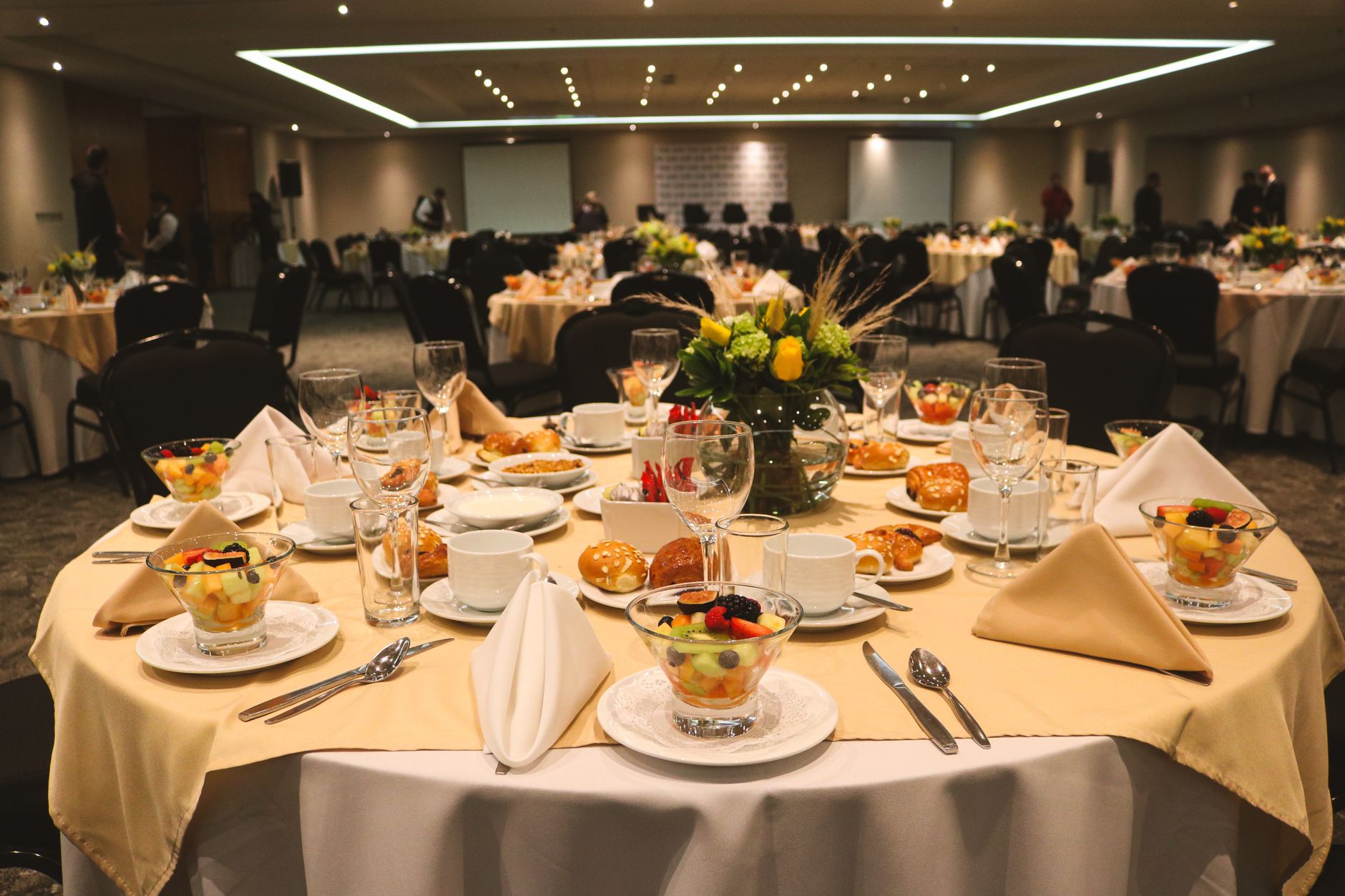
A few small habits made that window easier over the years. Setting the table earlier in the afternoon, well before the cooking chaos started, so it wasn’t one more thing competing for attention in the final rush. Keeping a specific spot by the door for backpacks and shoes so that stretch of time wasn’t also a hunt for missing homework folders. Turning the kitchen radio down, or off, in the last five minutes, because I noticed noise on top of noise made the whole house feel more frantic than it needed to be.
None of this eliminated the chaos entirely. Some nights it was still loud and rushed no matter what I did, especially on nights with sports practices ending late or a project due the next morning. But most nights, the small buffer helped, and I noticed the difference most clearly in how the first few minutes of actually eating went. Calmer arrivals meant calmer conversations, right from the first bite.
Looking back on it
My kids are older now, and some of them live in their own places, cooking their own dinners on their own schedules. I don’t know if any of them remember the five minute warnings or the earlier table setting. But I remember it, and I think it changed the texture of a lot of ordinary evenings in a way I couldn’t have explained to anyone at the time. The meal itself was rarely the hard part. It was always what happened in the minutes right before.
I still notice, even now with an emptier house most nights, how much that short stretch of time before eating shapes the meal itself. I still wash my hands a little slower than necessary before sitting down. Old habits built around a full table don’t disappear just because the table has fewer people at it these days. They just get quieter, the way most good habits eventually do.